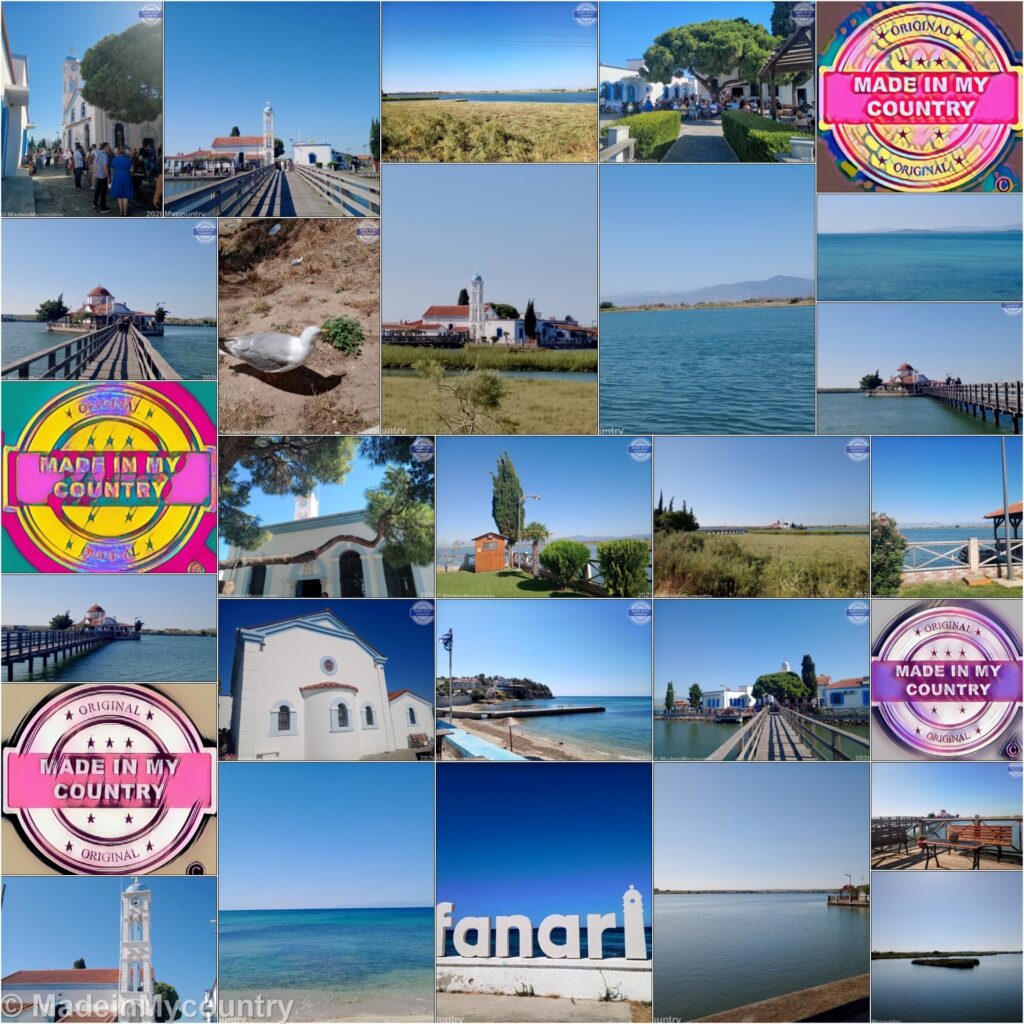
When temperatures rise, the heart of Komotini beats along the shores of the Thracian Sea. Just 30 km from the city unfolds a coastline of remarkable beauty, with golden sands and crystal-clear waters. Fanari, the “jewel” of the region, is a picturesque seaside village that blends cosmopolitan charm with tradition. Its beaches, with shallow and safe waters, are a favourite among families, while its small harbour lined with fish tavernas offers an authentic taste of the Aegean.
Fanari is a very popular coastal fishing village and summer resort located in the Rhodope,Thrace region of northeastern Greece.
Fanari in Rodopi, Thraki Hellas by MadeinMycountry: The largest independent, ad-free, uncompromising unique network of its kind In he world !!
Situated on the southeastern edge of the Vistonia Bay, about 30–35 kilometers southwest of Komotini and roughly the same distance from Xanthi in northeastern Greece (Hellas)
The “Summer Diamond of Thrace”: It is famous for its long, golden sandy beaches and crystal-clear Blue Flag waters, making it a top tourist destination in the Thracian Sea during the summer months.
It has a small permanent population of a few hundred residents, but it swells significantly with Greek and Balkan visitors in the summer.
The village features a small port, a major camping site, hotels, traditional fish taverns, beach bars, and organized beach facilities.
It hosts the annual Fanari Festival (a popular three-day summer music event) and sits near the rich ecosystems of the Eastern Macedonia and Thrace National Park
Fanari in Rodopi, Thraki Hellas by MadeinMycountry: The largest independent, ad-free, uncompromising unique network of its kind In he world !!
Complete your experience by exploring the “hidden” corners of the Rhodope region. As you drive towards the coast, views of lagoons that occasionally host flamingos and pelicans prepare you for an encounter with unspoiled nature.
Mediterranean cuisine is the collection of traditional foods and cooking methods from countries bordering the Mediterranean Sea, including Greece, Cyprus, Italy, Spain, Lebanon and Morocco.
It emphasizes extra virgin olive oil, fresh seasonal vegetables, whole grains, legumes, fish, and aromatic herbs.
Mediterranean cuisine by MadeinMycountry: The largest independent, ad-free, uncompromising unique network of its kind In he world !!
Med cuisine characteristic ingredients:
Healthy fats: Extra virgin olive oil is the primary cooking fat and dressing.
Grains & Legumes: Wheat (as bread or pasta), rice, barley, chickpeas, and lentils.
Proteins: Frequent fish and seafood, moderate poultry and dairy (like feta and Greek yogurt), and low amounts of red meat.
Herbs & Spices: Oregano, basil, thyme, rosemary, garlic, and cumin.
Mediterranean cuisine by MadeinMycountry: The largest independent, ad-free, uncompromising unique network of its kind In he world !!
Regional Variations
Southern European (Greece, Italy, Spain): Focuses on olive oil, pasta, fresh fish, tomatoes, and regional wines.
Levantine & Middle Eastern (Lebanon): Features flatbreads, rice, lamb, yogurt, and dips like hummus.
North African (Morocco): Highlights warm spices like cumin, saffron, and cinnamon used in slow-cooked tagines and couscous.
Med cuisine promotes long-term wellness through antioxidant-rich, minimally processed foods
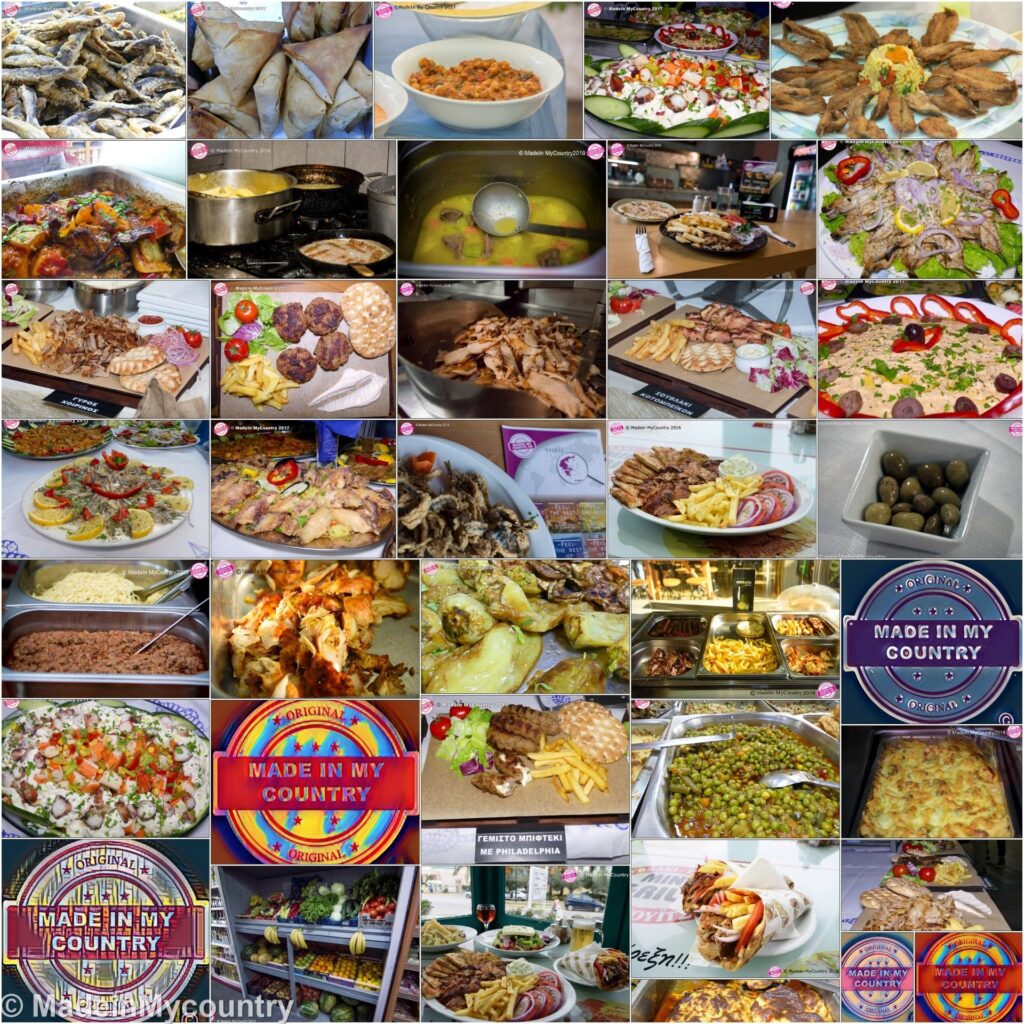
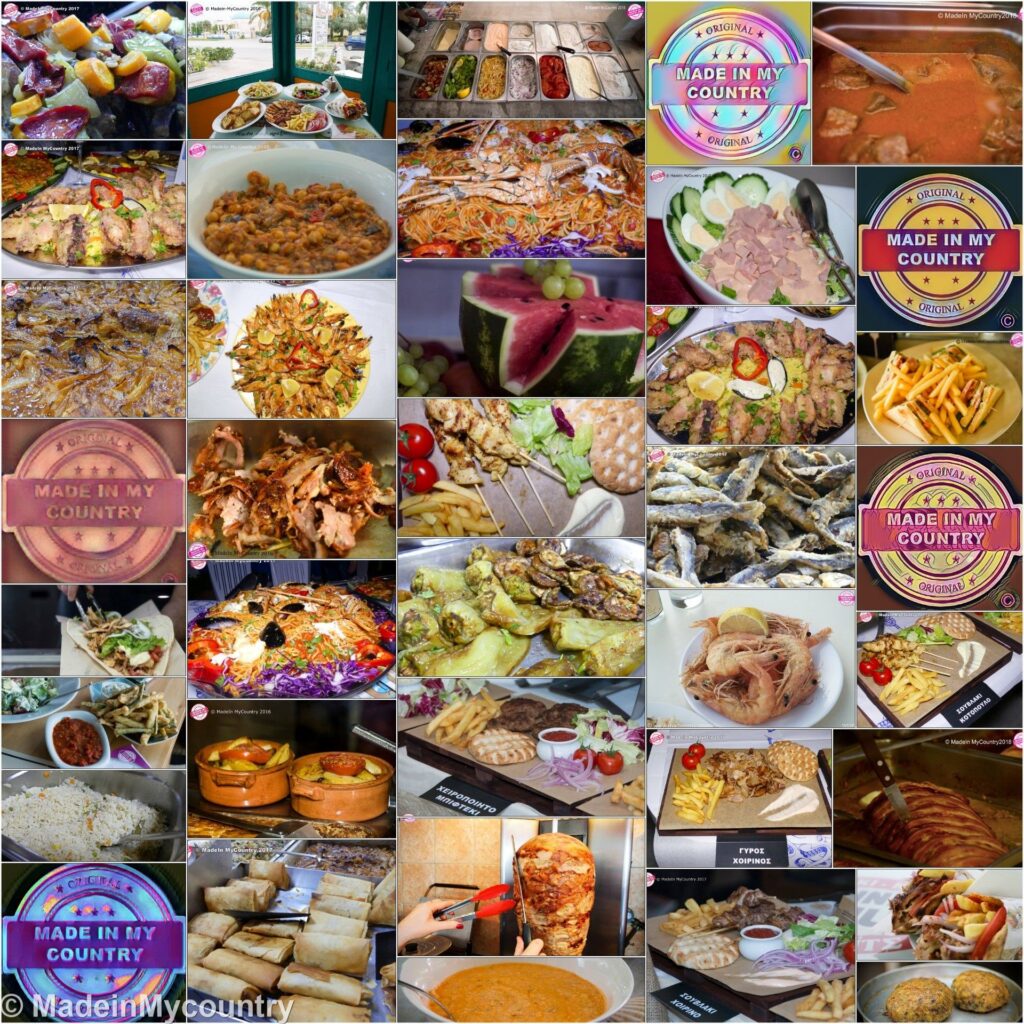
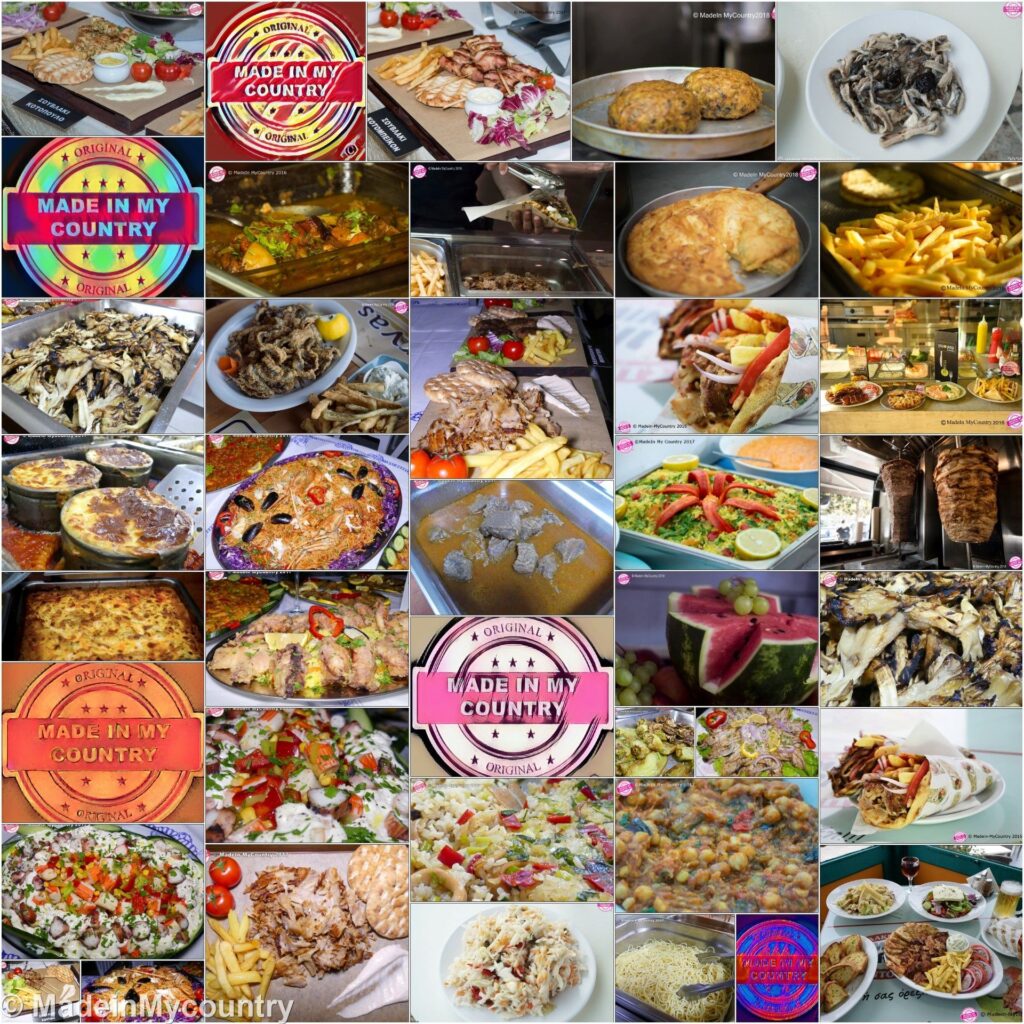
Here is a small sample of the most popular and well recognized Mediterranean cuisine which is the Greek Mediterranean cuisine
Popular local foods include: moussaka, souvlaki, fresh seafood, and horiatiki (Greek salad) and Greek Yogurt.
Mediterranean cuisine by MadeinMycountry: The largest independent, ad-free, uncompromising unique network of its kind In he world !!
Greek Yogurt: Timeless & very nutritional
Made of fresh milk curdled and then fermented by means of bacteria, yogurt has always been one of the finest products of the Greek farming tradition since the ancient times. Thick, creamy and super tasty, the Greek yogurt is made of pure sheep’s milk in small dairy units. In larger ones, they usually make yogurt with fresh cow’s milk, be it skimmed or semi-skimmed. They also add ingredients favoring health and growth for kids, or make it with strained cow’s milk (with the fat included ranging from 0%-10%) and milk cream, or even pair it with fruits and cereals as a desert to boost its nutritional capacity.
Over the past few years the Greek strained yogurt has conquered the world, marking a startling increase in sales worldwide.
Olive Oil
Greece is the world’s third largest producer of olive oil and ranks first in exports of virgin olive oil, which is the top-ranked olive oil classification category in the world. Although olive trees grow all over Greece the largest producers of olive oil are the region of Peloponnese as well as Lesvos and Crete Islands. The benefits of olive oil were known since antiquity. Homer referred to olive oil as liquid gold and Hippocrates noted its healing factors. Studies have shown that olive oil is the healthiest product among vegetable oils. It is loaded with antioxidants and protects from various diseases; making it essential for a balanced diet!
Mediterranean cuisine by MadeinMycountry: The largest independent, ad-free, uncompromising unique network of its kind In he world !!
Honey
Certainly honey was the first – and for quite a while – the only sweetener Greeks had in their diet. While its importance dates back to ancient time, even nowadays, it remains the most prestigious sweetener. Honey’s nutritious values, such as minerals, vitamins, natural sugars, antioxidants etc., benefit our health and taste buds every single time we taste it!
Teas and Infusions with Herbs
A large variety of herbs grow in Greece. They are considered by locals as a natural remedy and have been used, since antiquity, mainly as pain-killers. Among the most renowned are the Greek Mountain Tea (sideritis clandestina) for its digestive, warming, tonifying and antioxidant effects as well as the Dittany (dictamon in Greek) for its spasmolytic, tonifying and anti-diabetic impact.
Mediterranean cuisine by MadeinMycountry: The largest independent, ad-free, uncompromising unique network of its kind In he world !!
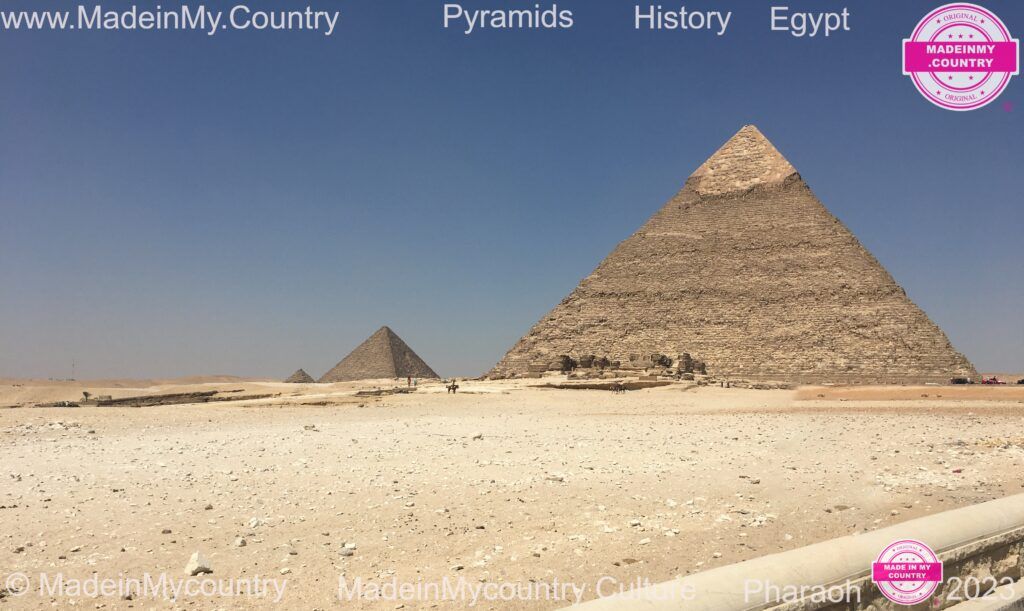
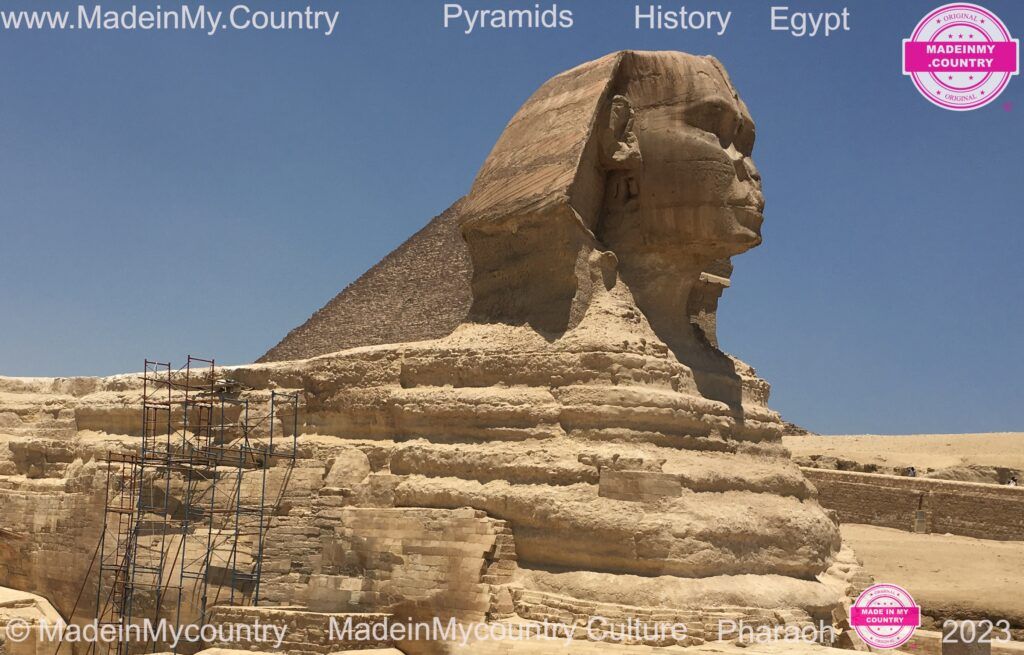
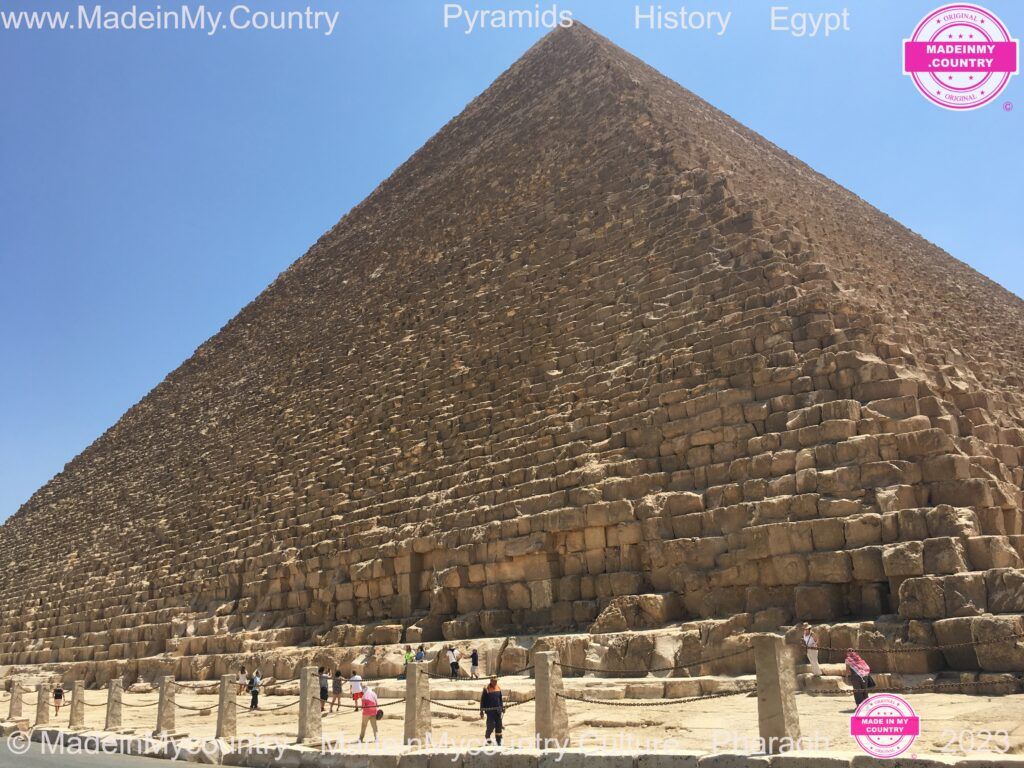
The pyramids of Giza and the Great Sphinx are among the most popular tourist destinations in the world, and indeed already were even in Roman times.
Each of these spectacular structures served as the final resting place of a king of the 4th Dynasty (c.2613–2494 BC). The Great Pyramid of Giza was built for king Khufu (c.2589–2566 BC), and the other two for Khafre and Menkaure, his son and grandson. Khufu’s pyramid is both the oldest and largest of the three, and the first building to exceed it in height would not be built for another 3,800 years!
Although the three pyramids dominate the plateau, they are in fact surrounded by many other monuments. Every king’s pyramid was just one element albeit the most important of a larger complex that included smaller, subsidiary, queens’ pyramids; an additional one that acted as a second, symbolic, tomb for the king, called a satellite pyramid; mastaba tombs for nobility and other family members; burials of actual and/or symbolic boats; and a pair of temples linked by a richly decorated causeway. One of these temples, called the valley temple, led into the pyramid complex, and was located on or near a body of water where boats could dock.
The other, the funerary (or upper) temple, stood near the base of the pyramid. Priests maintained the mortuary cult of the deceased king in these temples, where his divine aspect was worshiped, and where rich and diverse offerings were presented to his soul so he could have a peaceful and luxurious afterlife.
Necessary cookies enable essential site features like secure log-ins and consent preference adjustments. They do not store personal data.
None
Functional cookies support features like content sharing on social media, collecting feedback, and enabling third-party tools.
None
Analytical cookies track visitor interactions, providing insights on metrics like visitor count, bounce rate, and traffic sources.
None
Advertisement cookies deliver personalized ads based on your previous visits and analyze the effectiveness of ad campaigns.
None
Unclassified cookies are cookies that we are in the process of classifying, together with the providers of individual cookies.
None
We use strictly necessary cookies to ensure that we give you the best experience on our website. If you do not consent with YouTube's third party non functional cookies, please press "No".